by Amelia HC Ylagan
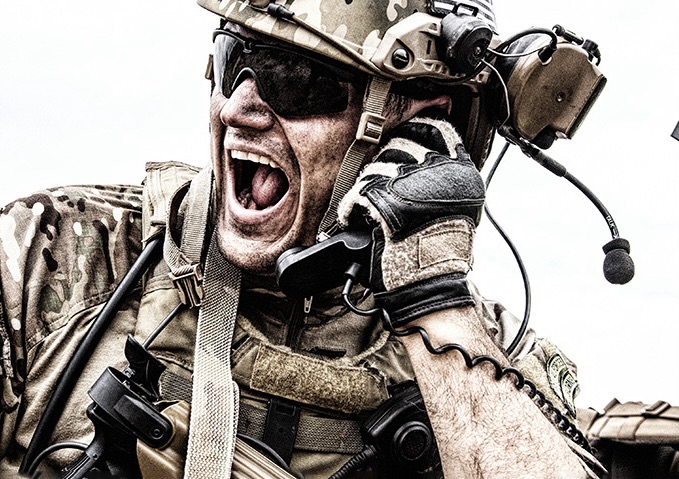
“I love you, Over!” She heard him, loud and clear, above the whirring static of the radio patch from where he was — in a tent that was the detachment headquarters of his infantry battalion in Jolo. “Ten-four,” she hurriedly replied — meaning “message received”. Carefully controlled emotions over the open channels were playfully taunted by the subdued hooting and thumping of the eavesdropping troops bivouacked for the night. Cheering their commander.
He was their hero — a valiant knight in shining armor leading them in battle. His young wife waiting back home completed the romantic ideal of the gallant soldier sacrificing family for the call of duty to defend the country. The last “I love you, Over” echoed like flying shrapnel in the painful memory of the bereaved battalion as they wept for themselves and the orphaned wife and child of their commander. He was killed in action in the encounter with rebels in the foothills of Patikul, Jolo, the stronghold of insurgents against the government.
“Why did he have to be physically at the front of battle? He was Battalion Commander. He could have directed operations from the safety of his secret position, talking to his lieutenants on the “over-over” (the military two-way field radio), as most commanders do,” a truly regretful comrade-officer said. “Sayang, he could have been a general, had he lived a full 30-year career in the armed forces,” a sympathetic officer’s wife consoled the widow. He was only 34 years old when he died a hero for the country, 47 years ago. Never to be a general.
Sayang talaga. At the Libingan ng mga Bayani, the heroes’ cemetery. the widow glanced at the separate and exclusive mound where departed generals and VIPs were buried, exalted in polished marble plaques to their honor. Eyes blurry with tears, she turned to the surrealistic sea of close to 50,000 plain cement crosses that marked the ordinary soldiers’ graves like her late husband’s 9’x 4’ grass plot under the shade of a gnarled acacia tree on a small interior road. But he did not die for personal fame and glory. He died for the country. He sacrificed Life so others may live.
To transcend the limitations of self-centered definitions of the guiding principles of “Courage. Loyalty and Integrity” learned in the military academy, the young officer chose active combat duty — ready to fight selflessly in the battlefield that stripped away justifications of self-preservation with compromises on principles.
On his first 3-day furlough after two straight months in Jolo, he was a changed man. His young wife fearfully wondered why he was so silent and detached. He was pitifully not even able to explode pent up emotions and raging hormones in the marital bed. Until he broke down in hot tears — “I saw my soldier running for help towards me with his intestines spilled out into his hands. The young private first class (PFC) was shot at close range in the encounter. We do not even know if we had been infiltrated by the rebels,” he said. She took him into her embrace and nursed him with knowing silence. Battle shock?
He was all the more resolved to be with his men at encounters, to show them that he was ready to risk life and limb at the same commitment and exposure level with them. “One for all, and all for one,” as in the classic motto of equal responsibility and cooperation in battle, from Alexander Dumas’ familiar “Three Musketeers”. But the battle cry was soon blown away by the piercing gunshot fired on the commander in that early morning of yet another day of defensive engagement with the rebels. (The young wife was notified of the incident and was allowed to hitch on the C-130 plane bound for Zamboanga the following morning.)
At the canvas tent that was a makeshift clinic for the wounded, the steely silence was pierced by the wailing and sobbing of the widow when her beloved husband closed his eyes and breathed out his last. Outside the tent, the soldiers stood crying in the rain, soaked in camouflaged olive drabs and combat boots. They learned true love of country from their commander’s heroic death. At grandstand ceremonies on AFP Day two weeks after, then-President Ferdinand Marcos Sr. pinned on the widow posthumous medals for valor and wounded soldiers’ awards for the slain commander.
There are, of course. more glowing stories of love of country and fellowmen than of this obscure battalion commander who was killed in action in Jolo, and heroes much more towering than he, who have made lasting impact on the rights of the Filipino people. In 1986, the Filipino people themselves were the heroes in the peaceful 1986 EDSA People Power Revolution that restored democracy to the country. “The Filipino is worth dying for,” reverberated throughout the land, as a firm resolve to die to the deteriorated moral values and principles that had corrupted the collective body and soul of the people.
Thirty seven years after EDSA I — has the collective conscience kept its resolution for positive change in the values and principles, the ethics and mores of the people? Has respect for human rights been truly ingrained in belief and action, in individual and particular relationships and more so, in society and government? Are fairness and founded judgment the bases for resolution of differences? Yet compromise of principles must not be made for the advancement of power, influence and wealth.
Transparency International ranked the Philippines 116th (64th heaviest in corruption) among 180 countries and territories globally. The country ranked 111th in 2020, 101st in 2019, and 108th in 2018. The 2022 Corruption Perception Index (CPI) showed that the Philippines scored 33 out of 100, below the global average of 43. Transparency International defined the scale as zero meaning “highly corrupt” and 100 as “very clean.” In its 2021 index, the Berlin-based watchdog reported that the Philippines saw “a sharp decline in freedom of association and freedom of expression, making it harder to speak up about corruption” (CNN Philippines, Feb. 1, 2023). Like last year, the Philippines was again included in the list of countries identified as “significant decliners” in Asia-Pacific, with its score dropping five points from 38 — the country’s highest — in 2014, when it rose to 85th out of 175 (The Philippine Star, Feb. 1, 2023).
“It does not look too good for our people,” the widow whispered to her late husband as she pulled out weeds on his plot at the Libingan ng mga Bayani. “Is this the country you died for?” The annual homecoming at the Philippine Military Academy is coming up on February 18 — there the PMA values of “Courage, Loyalty and Integrity” will be reminded to the alumni, the “Cavaliers”, they call themselves, as they pay silent tribute to their comrades who died for the country.
 From Charlie Company
Nice one, Jess. Keep writing!
LikeLiked by 1 person
Written by a bugo’s wife Sir, just resharing it…
LikeLiked by 1 person