By J. Irving ft. Generative Pre-trained Transformers
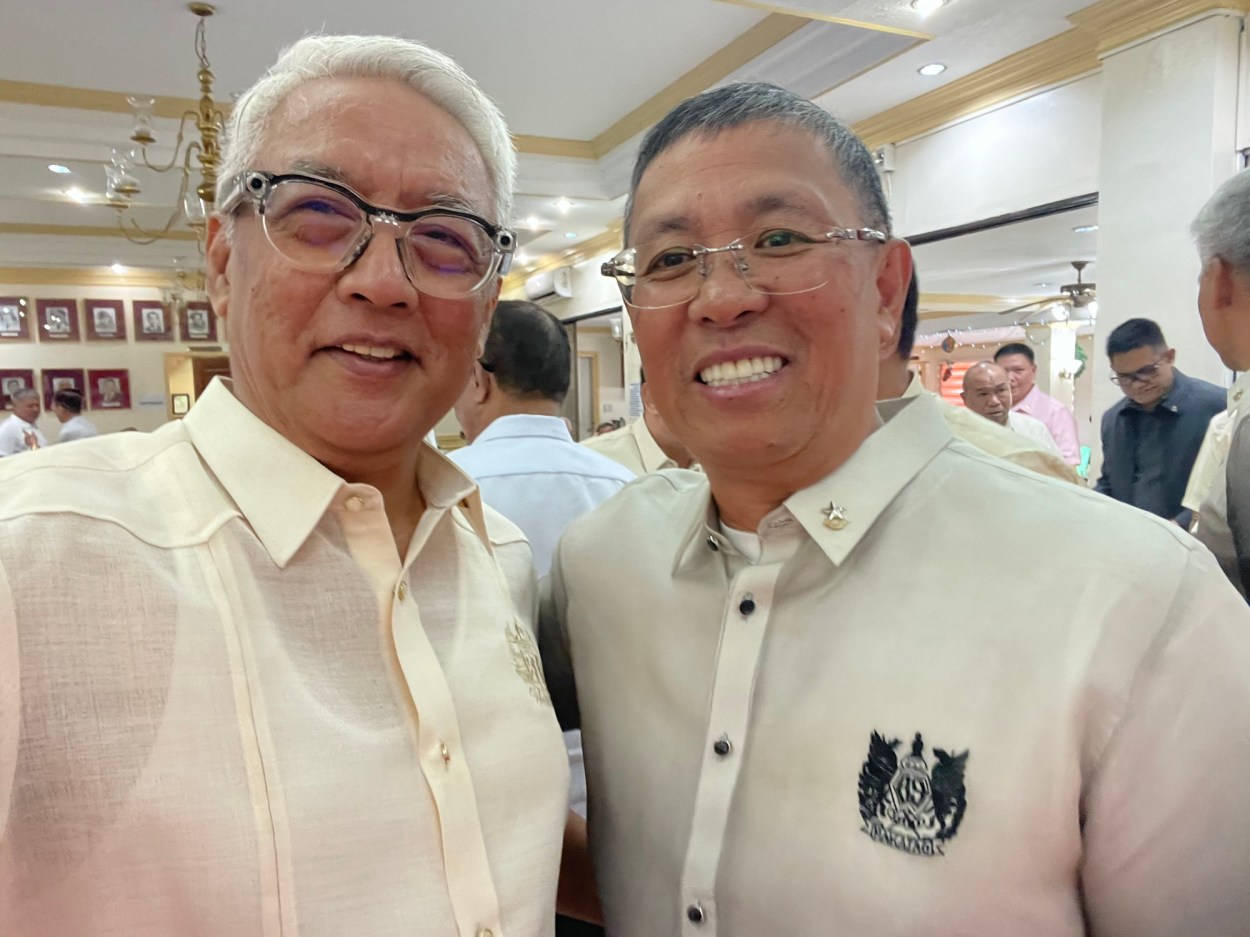
There is a quiet but unmistakable satisfaction that settles in a leader’s heart when subordinates show genuine happiness upon seeing him. It is not merely courtesy or protocol; it is something deeper—something reflected in their eyes, in the warmth of their greetings, and in the ease of their posture. The question arises: Why? What makes people sincerely glad to see a leader, especially one who has served long, led in difficult times, or carried heavy responsibilities?
The answer lies in the intangible yet powerful influence of character.
People respond to leaders not only because of rank or authority, but because of the experience they have had under that leader. When subordinates are genuinely happy to see someone, it often means that person treated them fairly, listened to them, and valued their dignity. Respect given becomes respect returned. In leadership, every decision, every gesture—however small—accumulates into a reputation. Over time, this reputation becomes a kind of emotional memory for those who served under you.
Second, people are happy to see a leader when they feel safe around him. A leader who stood firm in crises, who absorbed pressure instead of passing it down, becomes a symbol of stability. Subordinates instinctively recognize this. They remember who remained calm when situations were chaotic, who kept his humanity intact even when duties were difficult. Such leaders embody steadiness. When they return—after retirement, reassignment, or a long absence—people feel that familiar anchor.
Third, there is gratitude. Whether spoken or not, those who benefited from wise guidance, timely advice, or even quiet mentorship carry that gratitude with them. Some leaders help their men survive battlefield realities; others help them navigate career choices, personal problems, or moral crossroads. Subordinates do not forget those who helped shape their lives. Their happiness is a form of silent acknowledgment.
Fourth, genuine affection results from authenticity. Leaders who showed real concern—who asked how a man’s family was doing, who remembered names, or who spoke kindly when kindness was needed—leave emotional imprints. People can sense sincerity. They can also sense arrogance or indifference. One draws people closer; the other drives them away. When subordinates smile upon seeing a leader, it is a testament to the kind of person he was when no one was watching.
Finally, people are glad to see a leader who—despite rank, medals, or achievements—remains humble. Humility disarms distance. It makes a leader human, approachable, and relatable. In a culture where authority often creates walls, humility creates bridges.
In the end, the happiness of subordinates is not accidental. It is earned. It is the sum of years of decisions, actions, sacrifices, and character. When people’s faces light up as you arrive, it means you left a positive mark on them. It means your leadership did not only command obedience—it inspired trust, loyalty, and affection.
And perhaps this is the most meaningful validation a leader can receive: Not the awards hung on a wall, nor the titles listed after a name, but the genuine joy reflected in the faces of those he once led.
 From Charlie Company